

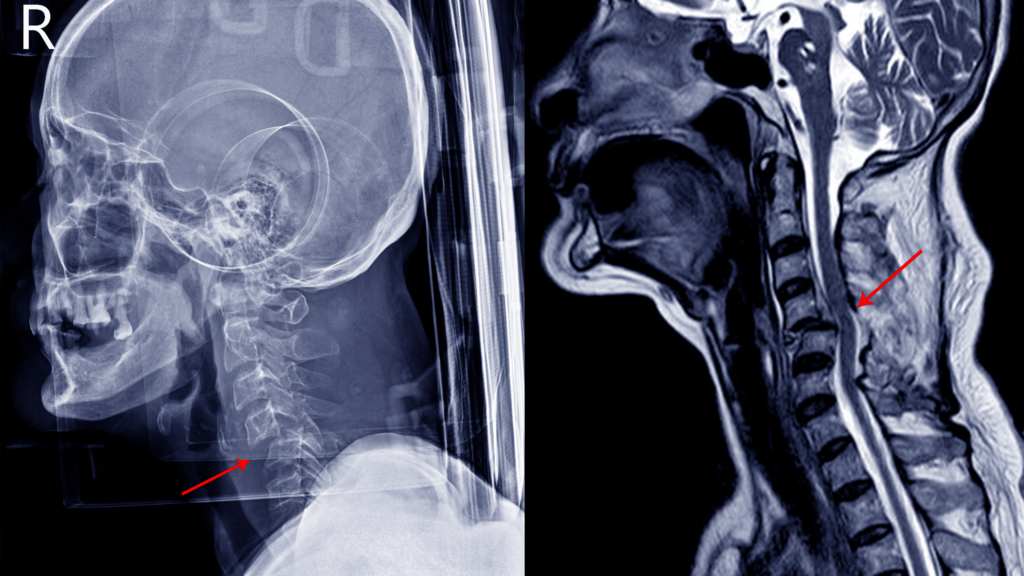
A spinal cord injury changes everything in an instant. The primary damage, such as loss of movement, sensation, or both below the level of injury, is only the beginning. What follows in the months and years afterward often determines the true scale of the harm and the full measure of compensation a person may need.
Secondary complications are medical problems that develop because of the spinal cord injury itself. They are not the original trauma. They arise from paralysis, impaired autonomic function, reduced sensation, and the body’s altered physiology. These conditions frequently require repeated hospitalizations, specialized equipment, ongoing therapies, and lifetime medical management.
When another party’s negligence caused the injury, these secondary effects form a critical part of the damages claim. Understanding them helps injured people and their families recognize the real scope of their losses and why experienced catastrophic injury counsel is essential.
Pressure Ulcers: A Persistent Threat to Health and Independence
Pressure ulcers (also called pressure sores or bedsores) develop when prolonged pressure cuts off blood flow to the skin and underlying tissue, usually over bony areas such as the sacrum, ischium, heels, or hips. Because people with spinal cord injuries often cannot feel the warning signs of discomfort and may have limited ability to shift position, these sores form more easily and heal more slowly.
They progress through stages. Early redness can advance to deep wounds that expose muscle, tendon, or bone. Infection, osteomyelitis, and sepsis are real risks. Treatment may involve specialized wound care, surgical debridement or flap reconstruction, long hospital stays, and expensive pressure-relieving surfaces and seating systems. Even after healing, the risk of recurrence remains high for life.
These ulcers drive substantial economic damages through repeated medical interventions and attendant care. They also increase pain, limit seating tolerance, interrupt rehabilitation, and reduce independence—factors that strengthen both economic and non-economic damage claims.
Neurogenic Bladder, Recurrent Urinary Tract Infections, and Kidney Risks
Most people with spinal cord injuries develop neurogenic bladder dysfunction. The bladder may not empty completely, may empty at the wrong times, or both. Management typically relies on intermittent catheterization, indwelling catheters, or other methods. Each introduces infection risk.
Urinary tract infections are among the most common secondary complications after a spine injury. Recurrent infections lead to emergency visits, hospitalizations, antibiotic courses, and potential antibiotic resistance. Over time, they can contribute to bladder stones, kidney damage, or renal failure. Lifelong supplies, urological follow-up, and possible surgical interventions can add significant ongoing costs.
These issues affect daily dignity, social participation, and employment potential. In a damages evaluation, they support claims for future medical expenses, adaptive equipment, and the profound impact on quality of life.
Respiratory Complications and Heightened Vulnerability
Injuries at higher levels, particularly cervical, impair the muscles needed for deep breathing and effective coughing. Atelectasis, pneumonia, and respiratory failure become recurring threats. Pneumonia remains a leading cause of death among people living with chronic spinal cord injury.
Even individuals with lower-level injuries can face reduced respiratory reserve and sleep-disordered breathing. Management may include assisted cough techniques, respiratory therapy, ventilatory support in severe cases, and frequent medical monitoring. Each episode of infection or respiratory crisis interrupts life, requires intensive care, and adds to cumulative medical costs.
Autonomic Dysreflexia: A Life-Threatening Emergency
In injuries at or above approximately T6, the autonomic nervous system can overreact dramatically to stimuli below the injury level; most often a full bladder, bowel distension, or skin irritation. Blood pressure can spike to dangerous levels while the person experiences severe headache, sweating, flushing, and anxiety.
Untreated autonomic dysreflexia can lead to stroke, seizures, or cardiac events. Prevention and rapid response become part of daily life. Education, emergency protocols, and sometimes medications are required indefinitely. This condition underscores the need for continuous skilled care and supports claims for future medical monitoring and the psychological burden of living with a sudden, potentially fatal threat.
Chronic Pain, Spasticity, and Related Functional Losses
Chronic pain affects a large majority of people after spinal cord injury. Neuropathic pain, such as burning, shooting, or electric sensations, can be especially difficult to treat. Musculoskeletal pain from overuse, poor posture, or secondary joint problems compounds the problem.
Spasticity, the involuntary increase in muscle tone and spasms, occurs in a high percentage of individuals. While mild spasticity can sometimes aid transfers or standing, severe spasms cause pain, interrupt sleep, create skin breakdown risk, and lead to contractures. Treatments range from oral medications and physical therapy to botulinum toxin injections or surgically implanted baclofen pumps—each carrying its own costs and side effects.
These conditions reduce functional capacity, increase caregiver needs, and diminish enjoyment of life. They are quantifiable through life-care planning and powerfully support non-economic damages for pain and suffering.
Additional Long-Term Medical Burdens
Other secondary effects further multiply damages:
- Accelerated bone loss leading to osteoporosis and low-impact fractures
- Bowel dysfunction requiring structured programs, dietary management, and sometimes surgical options
- Higher risk of deep vein thrombosis and cardiovascular disease
- Heterotopic ossification that restricts joint motion
- Significant rates of depression, anxiety, and adjustment disorders that necessitate mental health care
Each of these conditions interacts with the others. A pressure ulcer can trigger autonomic dysreflexia. Spasticity can worsen pain and seating problems. Recurrent infections can erode overall health and independence.
Why These Complications Matter in a Personal Injury Claim
California law allows recovery for the full spectrum of harm caused by negligence. That includes:
- Past and future medical expenses (hospitalizations, surgeries, medications, durable medical equipment, home modifications, attendant care)
- Lost earnings and diminished earning capacity
- Pain, suffering, emotional distress, and loss of enjoyment of life
Secondary complications often represent the largest portion of future economic losses. Life-care planners, treating physicians, and medical experts document the probability, frequency, and cost of these conditions over a lifetime. Without thorough documentation and presentation of these cascading effects, settlements or verdicts frequently undervalue the claim.
Insurance companies and defense counsel may focus narrowly on the acute injury and early rehabilitation. Our experienced catastrophic injury lawyers anticipate the long arc of secondary complications and build the evidence to match.
Protecting Your Right to Full Compensation
If you or a loved one sustained a spinal cord injury because of another party’s negligence, whether in a vehicle collision, fall, medical event, product failure, or other preventable incident, the secondary complications that develop are not “just part of life.” They are foreseeable consequences of the original harm. Documenting them early, securing appropriate medical specialists, and working with attorneys who routinely handle high-stakes spinal cord injury cases makes a material difference in the outcome.
Biren Law Group has spent decades representing people living with the profound effects of spinal cord and other catastrophic injuries. Our firm understands that maximum recovery requires proving not only liability but the full, lifelong medical and human cost of the injury and its complications. Consultations are free and confidential. There is no fee unless recovery is obtained.
If secondary complications are already emerging or you simply need a clear assessment of your situation, contact Biren Law Group at (888) 401-7141. Early guidance helps preserve evidence, meet legal deadlines, and ensure that every foreseeable consequence is accounted for in the pursuit of just compensation.