

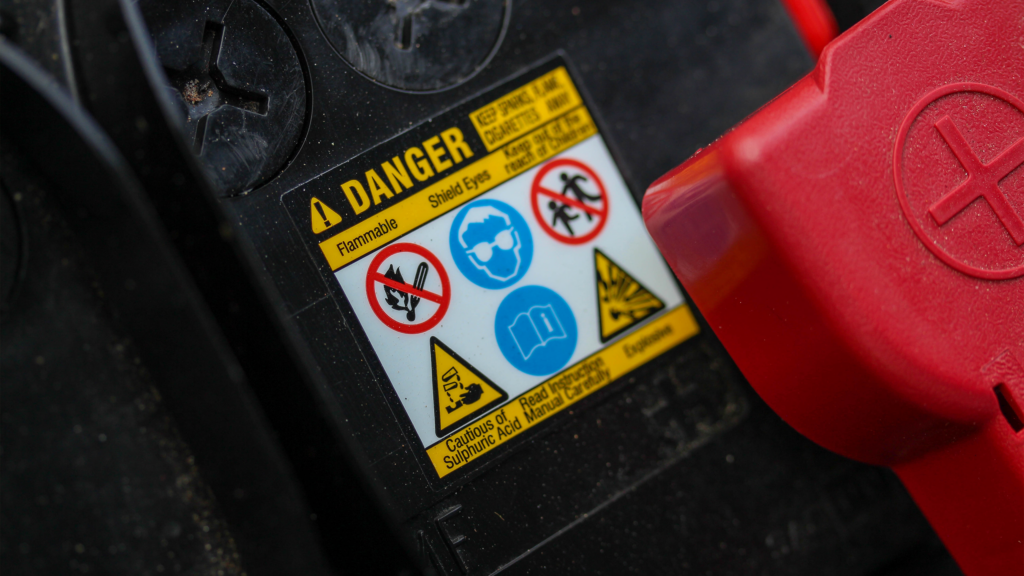
When a product causes serious injury, the presence or quality of a warning often becomes a central issue. Manufacturers have a legal duty to provide adequate warnings about known or reasonably knowable risks so that users can protect themselves. When that duty fails, and someone is catastrophically injured, California courts carefully examine whether the warning was sufficient under the law.
Understanding what judges and juries actually look for can help you evaluate whether a failure-to-warn claim may apply to your situation, and why experienced product liability counsel is essential to building that claim.
The Legal Foundation in California
Under California strict product liability law, a manufacturer, distributor, or seller can be held responsible for failing to adequately warn of risks associated with a product, even if the product was carefully designed and manufactured. The key jury instruction (CACI No. 1205) requires proof of several elements, including that:
- The product carried potential risks that were known or knowable based on scientific and medical knowledge generally accepted at the time it left the manufacturer’s control.
- Those risks presented a substantial danger when the product was used or misused in an intended or reasonably foreseeable way.
- Ordinary consumers would not have recognized the risks on their own.
- The defendant failed to adequately warn of those risks.
- The lack of a sufficient warning was a substantial factor in causing the harm.
California does not apply an automatic presumption that a better warning would have been heeded. The injured person must present evidence that the inadequate warning was a substantial factor in the injury. This is one reason these cases require thorough investigation and often expert testimony.
What Makes a Warning “Adequate”?
Courts do not use a rigid checklist, but several practical factors consistently guide the analysis of whether a warning was adequate:
- Content and Specificity: A vague or generic statement is rarely enough. The warning must communicate the nature and extent of the particular danger that caused the injury. If the product carried a risk of severe burns, traumatic brain injury, spinal damage, or other catastrophic harm, the warning should make that severity clear rather than offering only mild or generalized caution language.
- Clarity and Understandability: The warning must be written in language ordinary users can understand. Technical jargon, dense fine print, or ambiguous phrasing can render a warning inadequate. Courts also consider whether the warning was directed to the right audience, such as consumers, operators, or (in certain medical-device or prescription contexts) physicians.
- Prominence and Location: A warning buried in a thick manual, printed in tiny type, or placed where it is unlikely to be seen before use may be found inadequate. Conspicuous placement, contrasting colors, bold lettering, and symbols or pictograms that draw attention all matter. The more serious the risk, the more prominent the warning is expected to be.
- Completeness Relative to Known Risks: Manufacturers are expected to warn of risks that were known or scientifically knowable at the time of manufacture, distribution, or sale. If evidence later shows the company was aware of reports of serious injuries or had internal data indicating a substantial danger, the absence of a clear warning about that danger becomes highly relevant.
- Instructions for Safe Use: In many cases, an adequate warning includes not only notice of the danger but practical instructions on how to avoid it. A product that is safe only when used in a specific manner may be defective if those instructions are missing, incomplete, or unclear.
- Causation: Even if a warning is imperfect, the plaintiff must still show that a more adequate warning would likely have changed the outcome. This often involves testimony about how the injured person (or a reasonable person in their position) would have acted differently with clearer information.
Why These Details Matter After a Serious Injury
Serious and catastrophic injuries, including traumatic brain injury, spinal cord damage, severe burns, amputations, or permanent disability, raise the stakes dramatically.
Medical costs, lost earning capacity, lifelong care needs, and profound personal losses make the difference between an incomplete recovery and full compensation significant. Manufacturers and their insurers frequently argue that any warning that existed was “adequate,” that the risk was obvious, or that the user failed to read or follow instructions. Overcoming those defenses requires a careful reconstruction of what the company knew, what warnings were actually provided, and how those warnings compared to the real danger.
An experienced product liability attorney will typically:
- Preserve and examine the product and its packaging or labeling.
- Obtain internal company documents, prior incident reports, and regulatory filings.
- Consult experts in human factors, engineering, medicine, and warning design.
- Analyze whether safer or clearer warnings were feasible and would have reduced the risk.
Taking the Next Step
If you or a family member suffered a serious injury involving a product and you believe the warnings were missing, incomplete, or difficult to understand, the strength of a potential claim often turns on the specific details described above. These cases are complex, evidence-intensive, and vigorously defended by manufacturers with substantial resources.
Biren Law Group focuses on catastrophic injury and product liability matters. Our firm has decades of experience holding manufacturers accountable when defective products and inadequate warnings cause life-altering harm. Consultations are free and confidential. We work on a contingency basis, so there is no fee unless recovery is obtained.
If you are ready to have an experienced attorney evaluate whether the warnings related to the product that injured you met the legal standard, contact Biren Law Group to discuss your situation.