

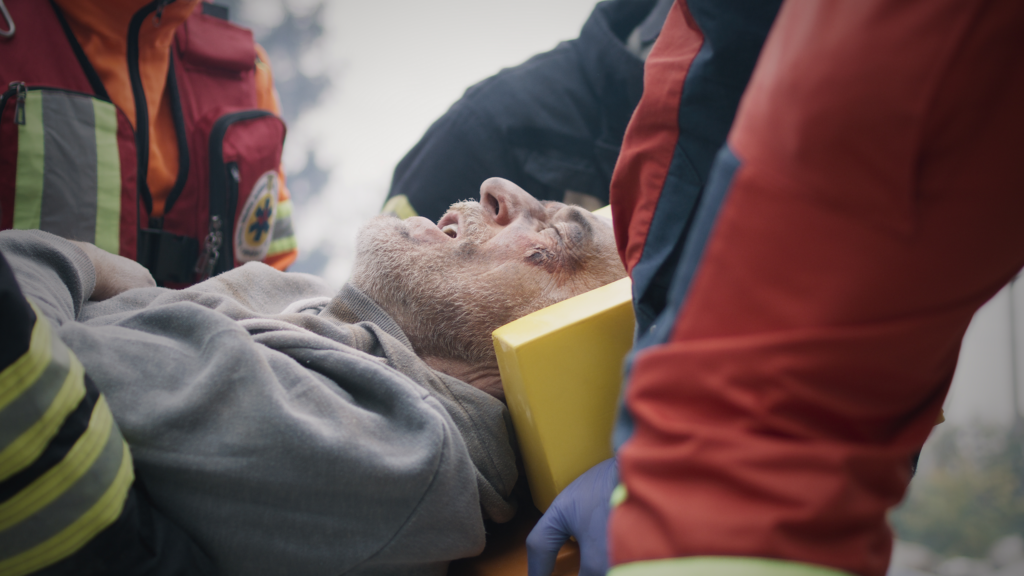
If you or someone you love has suffered a catastrophic injury because of another party’s negligence, the road ahead can feel uncertain in every direction. Medical recovery is complex. Financial pressures mount quickly. And one of the most common questions we hear is straightforward: How long will this case take?
There is no single answer that fits every situation. Catastrophic injury cases are fundamentally different from routine personal injury claims. At Biren Law Group, we have represented plaintiffs in these high-stakes matters for more than four decades.
What follows is a high-level explanation of the typical timeline ranges we see and the factors that most often influence how long a case lasts.
Why Catastrophic Cases Take Longer Than Average Claims
Straightforward injury claims with clear liability and limited medical treatment sometimes resolve in a matter of months. Catastrophic cases rarely follow that pattern. In our experience, many of these matters take between 18 months and three years from the date of injury to final resolution. Some settle sooner when liability is undisputed, and the full extent of damages can be documented early. Others require full litigation and, in a smaller number of cases, trial.
The longer timeline is not a delay tactic. It is usually a necessary consequence of the work required to prove both liability and the true lifetime cost of the injury. Rushing to settle before a client has reached maximum medical improvement, or before the full picture of future care needs is known, can leave a family undercompensated for decades of medical expenses, lost earning capacity, attendant care, and diminished quality of life.
Our responsibility is to protect the long-term interests of the people we represent, not to close files quickly.
The Typical Stages of a Catastrophic Injury Case
While every matter is unique, most cases move through several recognizable phases:
- Investigation and evidence preservation. From the outset, we gather police reports, witness statements, photographs, surveillance footage, vehicle data, product records, and any available electronic evidence. In complex cases, we may retain accident reconstructionists, biomechanical engineers, or other specialists early. Parallel to this work, the injured person focuses on medical treatment.
- Medical treatment and documentation of damages. Catastrophic injuries often require surgeries, extended rehabilitation, and ongoing specialist care. A critical point in most cases is maximum medical improvement; the stage at which physicians determine the long-term prognosis and residual impairments. Until that point is reasonably clear, it is difficult to calculate future medical costs, life-care needs, and lost earning capacity with accuracy. We work with treating doctors and, when appropriate, independent life-care planners and economists to project those costs carefully.
- Demand and pre-litigation negotiation. Once the medical picture is sufficiently developed and liability evidence is assembled, we prepare a detailed demand package for the responsible insurers. Many cases resolve at this stage or through subsequent mediation. High-value catastrophic claims, however, often meet significant resistance. Insurers know the stakes and may undervalue future damages or dispute fault.
- Litigation and discovery. If a fair resolution cannot be reached, we file suit. Discovery follows: written interrogatories, document production, depositions of parties and witnesses, independent medical examinations, and expert designations. This phase is often the most time-consuming, particularly when multiple defendants or complex product or premises liability issues are involved.
- Mediation, settlement, or trial. Most cases still resolve before trial, frequently at mediation or through continued negotiation after discovery has clarified the strengths of the evidence. When a fair offer is not forthcoming, we are prepared to try the case. Our trial experience is one reason many of our cases ultimately settle on stronger terms; defendants and their insurers understand that we will present the evidence to a jury if necessary.
What Most Affects the Timeline
Several factors commonly influence how long a catastrophic injury case takes:
- Severity and complexity of the injuries. Cases involving permanent disability, cognitive impairment, or the need for lifelong care require more extensive medical documentation and expert analysis. Waiting for a stable prognosis is often essential.
- Clarity of liability. When fault is clear and well-documented, negotiations move more efficiently. Disputed liability, multiple potential defendants, comparative fault arguments, or product-defect issues add layers of investigation and discovery.
- Insurance company approach and available coverage. Some insurers evaluate claims reasonably. Others delay, underpay, or force litigation. Policy limits and the presence of excess or umbrella coverage also shape strategy and timing.
- Need for specialized experts. Life-care planners, vocational rehabilitation specialists, economists, neurologists, orthopedists, and other experts strengthen the damages presentation but require time to retain, review records, and prepare reports.
- Court schedules and procedural requirements. In Los Angeles County and other California venues, trial dates can be set well into the future. Motions, discovery disputes, and mandatory settlement conferences all affect the calendar.
- Government entities or special claim procedures. Claims involving public entities are subject to shorter administrative claim deadlines. Missing those deadlines can bar recovery entirely, which is why early legal consultation is critical.
- Provider cooperation. Complete medical records, consistent treatment, and timely responses to information requests help keep a case moving. Gaps in treatment or incomplete documentation can create delays.
How We Approach These Cases at Biren Law Group
We do not measure success by how quickly a case closes. We measure it by whether the recovery obtained is sufficient to address both the harm already suffered and the needs that will continue for years or decades. That standard requires thorough preparation from the first meeting.
Our team focuses on early investigation, close coordination with treating physicians, careful selection of experts, and clear communication with clients and their families. Because we prepare every case as if it may go to trial, insurers often take the claim more seriously earlier in the process. We handle these matters on a contingency-fee basis, meaning there is no fee unless we recover compensation for you.
If you are facing the aftermath of a catastrophic injury caused by negligence, the timeline of your case will depend on its specific facts. The most important early step is to understand your rights and the evidence needed to protect them. We offer free, confidential consultations so you can discuss your situation and receive straightforward guidance about the path forward.
Contact Biren Law Group at (888) 401-7141 today. We are prepared to examine the details of what happened and help you determine the strongest course for pursuing the compensation and accountability you deserve.