

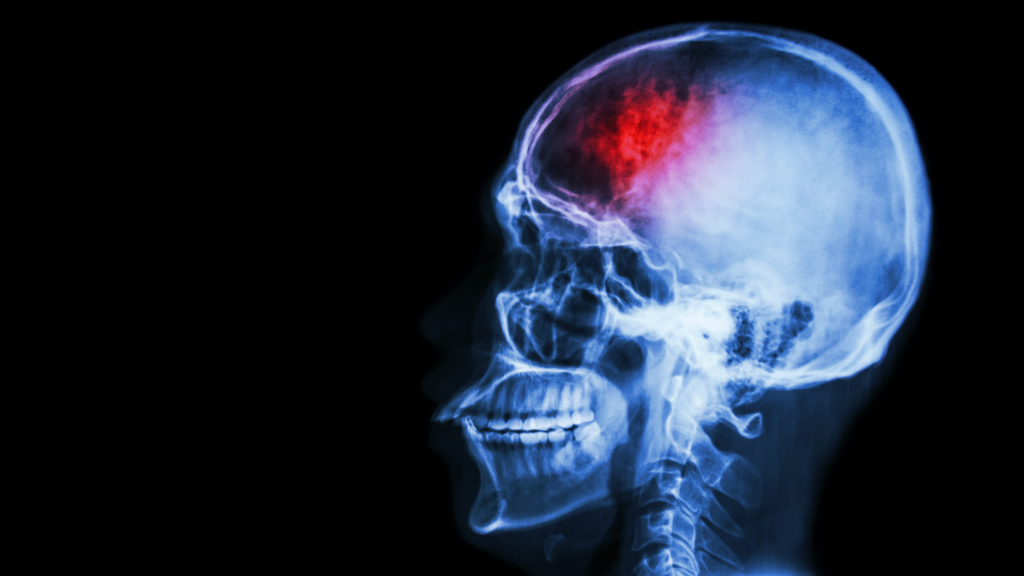
A traumatic brain injury does not always announce itself with dramatic external signs. Many people walk away from a serious collision, fall, or other traumatic event believing they have “only” a concussion or a minor head injury, only to discover weeks or months later that something fundamental has changed. When the injury affects the frontal lobes, the consequences often reach into the core of who a person is and how they function in the world.
At Biren Law Group, we have represented individuals and families living with the lasting effects of catastrophic brain injuries for decades. We understand that frontal lobe damage is not simply a medical diagnosis; it is a disruption of the very systems that allow a person to plan, restrain impulses, make sound judgments, and earn a living.
This article explains those effects and why they matter when you are seeking full and fair compensation.
The Frontal Lobe and Executive Function
The frontal lobes sit behind the forehead and make up a significant portion of the human brain. The prefrontal cortex, in particular, governs what neuroscientists call executive functions.
These include the ability to:
- Weigh options and make decisions
- Plan and sequence multi-step tasks
- Inhibit impulsive responses
- Regulate emotions and social behavior
- Maintain attention and working memory
- Anticipate consequences and adjust behavior accordingly
These capacities are not abstract. They are the foundation of independent adult life: holding a job, managing finances, sustaining relationships, and navigating daily responsibilities. When trauma damages this region, those foundations can erode.
Because the frontal lobes rest against the bony ridges of the skull, they are especially vulnerable in acceleration-deceleration events such as motor vehicle collisions, motorcycle crashes, falls from height, and pedestrian or bicycle accidents. The brain can strike the inside of the skull even without a skull fracture, producing contusions, diffuse axonal injury, or other forms of traumatic brain injury concentrated in the frontal areas.
Impaired Decision-Making
After a frontal lobe injury, many people describe a new difficulty making choices that once felt automatic. Complex decisions become overwhelming. Simple problem-solving may produce rigid or overly simplified thinking. Some individuals lose the ability to project consequences into the future or to shift strategies when the first approach fails.
In practical terms, this can mean trouble managing a household budget, evaluating job opportunities, following medical recommendations, or even deciding what to do next in a familiar routine. Family members often notice that the injured person seems less decisive, more dependent on others for guidance, or prone to choices that appear out of character.
These changes are not a matter of willpower. They reflect disruption of the neural circuits that support judgment and flexible thinking.
Loss of Impulse Control
Impulse control is another core frontal lobe function. Damage here frequently produces increased impulsivity. A person may speak or act without the usual internal filter, display sudden irritability or aggression, or engage in risky behavior that would previously have been restrained. In other cases, the opposite occurs: profound apathy or emotional flatness that leaves the individual unable to initiate action or respond appropriately to social cues.
These behavioral shifts create secondary harm. Relationships strain under the weight of unpredictable mood or inappropriate comments. Employers grow concerned about reliability or workplace conduct. Friends and family may withdraw because interactions have become difficult. The injured person is often aware that something is wrong yet unable to regulate the impulses or emotional responses that drive the behavior. This awareness itself can deepen isolation and frustration.
Effects on Future Earning Capacity
The combination of impaired decision-making and reduced impulse control frequently undermines a person’s ability to work at their pre-injury level or to work at all. Jobs that require independent judgment, multitasking, client interaction, supervision of others, or sustained concentration become far more difficult. Even positions that once felt routine may now demand more support or structure than the workplace can reasonably provide.
Vocational experts and economists who evaluate these cases routinely document diminished future earning capacity. The loss is not limited to the wages already missed during recovery. It includes the projected difference between what the person would have earned over a working lifetime and what they can now reasonably expect to earn given their residual deficits. For someone in a skilled trade, professional career, or management role, that difference can be substantial. For younger individuals still building careers, the long-term economic impact can be even greater.
In addition to lost earnings, many people require ongoing cognitive rehabilitation, neuropsychological care, medication management, and sometimes supported employment or attendant care. These costs form part of the economic damages that must be carefully calculated and pursued.
Why These Injuries Require Experienced Legal Representation
Insurance companies and defense experts often minimize frontal lobe injuries. They may point to normal imaging, the absence of obvious physical deficits, or the fact that the injured person can still walk and talk. They may argue that personality changes or work difficulties are temporary, exaggerated, or unrelated to the trauma.
These arguments overlook the well-established science of executive dysfunction and the real-world evidence of how these injuries affect daily function and earning capacity.
Proving the full measure of harm requires thorough medical documentation, neuropsychological testing, testimony from treating providers and vocational experts, and a clear narrative that connects the mechanism of injury to the specific deficits and their economic consequences. It also requires an understanding of California law governing personal injury damages, including recovery for past and future medical expenses, lost earnings, loss of earning capacity, and non-economic damages for the profound changes in quality of life.
How Biren Law Group Approaches These Cases
Biren Law Group focuses its practice on catastrophic injuries, including traumatic brain injuries. We work with a network of medical specialists, neuropsychologists, life-care planners, and vocational experts to develop a complete picture of the injury’s impact. Our approach is aggressive and thorough because partial recoveries leave families without the resources they need for decades of care and support.
We handle these matters on a contingency basis. You pay no attorney fees unless we recover compensation for you.
If you or a loved one has suffered a brain injury, or if you suspect frontal lobe involvement after an accident caused by someone else’s negligence, we invite you to contact us for a free consultation. We will listen carefully, explain your options, and help you determine the next steps toward the compensation and accountability you deserve.