

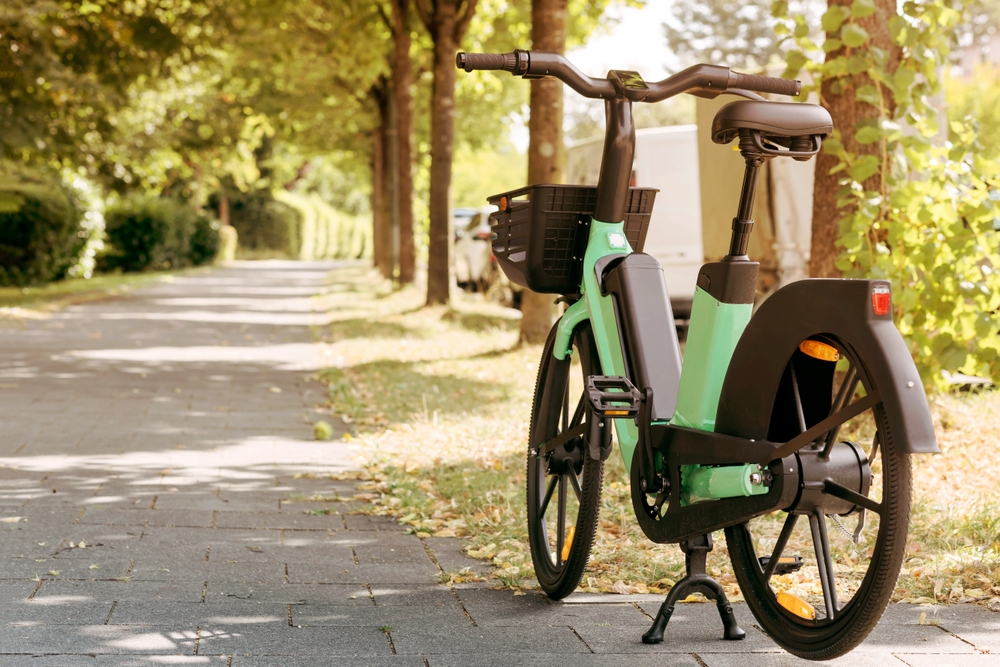
Electric bikes (e-bikes) have transformed commuting and leisure riding, delivering speed and power that traditional bicycles can’t match. Many models can reach assisted speeds of up to 28 mph with minimal effort, and they are heavier than standard bikes, which can make accidents more dangerous.
Unfortunately, head and brain injuries have become one of the most serious and common outcomes when crashes occur, often due to collisions with vehicles, sudden falls, defective components, or loss of control. Riders frequently underestimate these risks and skip helmets, dramatically increasing the chance of severe traumatic brain injuries (TBIs) with life-altering consequences.
If you’ve suffered a brain injury in an e-bike accident, especially one involving a defective bike, Biren Law Group can help you pursue the compensation you deserve. Our experienced attorneys specialize in personal injury law and in holding manufacturers accountable through product liability claims, fighting to cover your medical costs, lost income, and ongoing challenges.
Contact us today for a free, no-obligation consultation. We’re ready to listen to your story and guide you toward the recovery you need.
What Is a Traumatic Brain Injury?
A traumatic brain injury (TBI) occurs when an external force suddenly disrupts normal brain function. This can range from a mild concussion, temporary changes in brain activity, to moderate or severe injuries involving bruising of brain tissue (contusions), bleeding inside or around the brain (hemorrhages), tearing of nerve fibers (diffuse axonal injury), or swelling that increases pressure inside the skull.
Even “mild” TBIs are not always mild in their long-term effects. Initial symptoms may include headache, confusion, dizziness, nausea, or brief loss of consciousness, but lingering issues can develop weeks or months later.
How eBike Accidents Can Cause Traumatic Brain Injuries
The higher speeds and greater weight of e-bikes significantly amplify the forces involved in crashes compared to traditional bicycles. Many e-bikes provide motor assistance up to 28 mph, allowing riders to reach velocities that would require much more effort on a standard bike. This increased speed shortens reaction times and generates greater kinetic energy upon impact. Additionally, e-bikes are heavier due to the battery and motor, which can make the bike harder to control during sudden maneuvers and intensify the momentum in a fall or collision.
These factors can contribute to more severe outcomes, with e-bike crashes often resulting in higher-impact forces that can lead to traumatic brain injuries (TBIs). The brain is particularly vulnerable to sudden deceleration, rotational forces, or direct blows, causing damage even in crashes that might be less severe on a conventional bike.
Common scenarios that lead to traumatic brain injuries (TBIs) in e-bike accidents include:
- Direct head impact from falls: Loss of control due to uneven pavement, wet roads, potholes, gravel, overacceleration, or excessive speed on descents can cause the rider to fall and strike their head on the pavement. The added speed means the head hits the ground with far greater force.
- Ejection over the handlebars: In sudden stops or front-end collisions, riders are frequently thrown forward, landing head-first. This “over-the-handlebars” mechanism is a classic cause of rotational brain injuries, where the brain twists inside the skull, tearing delicate nerve fibers (diffuse axonal injury).
- Collisions with motor vehicles: When an e-bike is struck by a car or truck, often at intersections, during lane changes, or when a driver fails to see the rider, the rider is typically launched into the air, onto the vehicle’s hood, or into the roadway, resulting in high-energy head trauma. These incidents are among the most severe.
- Impacts with fixed objects: Hitting curbs, poles, trees, barriers, guardrails, or even tram rails can cause abrupt stops, propelling the rider’s head into the object or the ground.
- Mechanical failures contributing to crashes: Defects such as faulty brakes (preventing timely stopping), sudden unintended acceleration or power surges, battery malfunctions leading to power loss or fires, unstable handling, wheel detachments, or frame failures can trigger sudden loss of control, leading directly to high-speed falls and head impacts.
- Riding while impaired or distracted: Alcohol intoxication, drug use, or distractions like using headphones or a phone can impair judgment and reaction time, resulting in avoidable collisions or falls that end in head trauma.
- Low-visibility or nighttime riding: Crashes occurring after sunset or in poor lighting conditions, such as being hit by a vehicle whose driver doesn’t see the rider, often lead to severe impacts without time for evasive action.
- Single-rider self-accidents: Many e-bike crashes involve no other party, stemming from rider inexperience with the bike’s power, overconfidence at high speeds, or unknown causes, culminating in uncontrolled falls.
Without a properly fitted and certified helmet, the risk of serious brain injury rises dramatically. Even with a helmet, the extreme forces at e-bike speeds can sometimes overwhelm its protective limits in the most severe impacts, underscoring the importance of combining helmet use with cautious riding, regular bike maintenance to prevent defects, and heightened awareness of surroundings.
The Long-Term Challenges of Living with a Brain Injury After an eBike Accident
The effects of a TBI often extend well into the future and can touch every part of life:
- Cognitive Difficulties: Problems with memory, focus, processing speed, planning, and multitasking. Many people struggle to return to work or handle everyday responsibilities.
- Physical Symptoms: Persistent headaches, dizziness, balance issues, fatigue, sensitivity to light or noise, and, in some cases, seizures or coordination loss.
- Emotional and Psychological Changes: Anxiety, depression, mood swings, irritability, or noticeable shifts in personality that strain relationships and lead to isolation.
- Ongoing Health Risks: Moderate to severe brain injuries can increase vulnerability to future neurological conditions and shorten life expectancy.
Recovery is highly individual. Some people improve significantly with therapy and time, while others require lifelong medical care, rehabilitation, and support. The combined financial and emotional burden can be overwhelming.
Your Legal Options After an eBike Brain Injury
If you’ve suffered a traumatic brain injury in an e-bike accident, you likely have multiple paths to pursue fair compensation. These cases often involve a combination of personal injury and product liability claims, depending on the circumstances. Many accidents result from the actions (or inactions) of others, while others stem from defects in the e-bike itself, or both.
Personal Injury Claims
Personal injury claims focus on negligence; someone’s failure to act with reasonable care that directly contributed to your crash and brain injury.
Common scenarios include:
- Negligent drivers: A motorist who fails to yield, turns left in front of you, opens a car door into your path, or is distracted/texting and strikes or forces you off the road.
- Roadway hazards: Poorly maintained roads, unmarked construction zones, dangerous potholes, or debris left by city, county, or private entities.
- Other road users: Reckless pedestrians, delivery drivers, or even another cyclist who causes a collision.
In these cases, California law allows you to seek compensation from the at-fault party (or parties) for medical expenses, rehabilitation, lost income, future earning losses, pain and suffering, and emotional distress.
Product Liability Claims
When a defect in the e-bike itself contributed to the accident, product liability becomes a powerful option. California applies strict liability in these cases: you do not need to prove negligence, only that the product was defective, the defect existed when it left the manufacturer’s control, and it caused your injury. Product liability claims can target manufacturers, importers, distributors, and retailers.
Recovering Compensation After an eBike Accident Causes a Brain Injury
Severe brain injury cases often yield significant recoveries because they cover a wide scope of damages. Many e-bike brain injury cases involve overlapping liability. For example, a defective brake system causes you to crash while a negligent driver simultaneously turns into your path. Pursuing both avenues maximizes your recovery and ensures all responsible parties contribute fairly.
Successful claims, whether personal injury, product liability, or a combination, can provide compensation for:
- Past and future medical treatment and rehabilitation
- Lost wages and diminished earning capacity
- In-home care and assistive devices
- Pain, suffering, and emotional distress
- Loss of enjoyment of life
How Biren Law Group Can Help
At Biren Law Group, we thoroughly investigate every angle of e-bike accident cases to identify all viable claims. Our team works with accident reconstruction experts, medical specialists, and engineers to build the strongest possible case, whether against a negligent driver, a government entity, a manufacturer, or multiple parties.
If you or a loved one suffered a brain injury in an e-bike accident, don’t assume only one path to recovery exists. Contact Biren Law Group today for a free, no-obligation consultation. We’ll review the details of your case and help you understand all your legal options.