

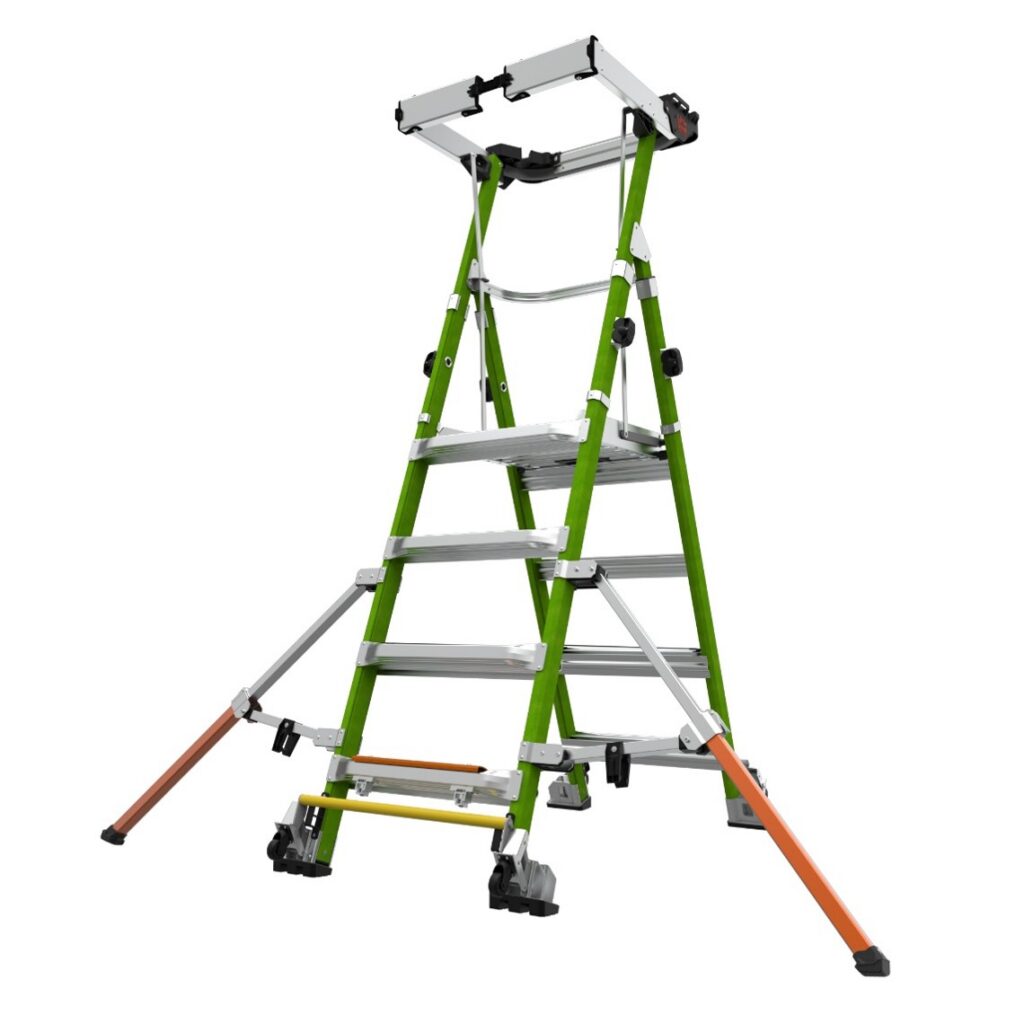
On November 5, 2026, Little Giant Ladder Systems, working with the U.S. Consumer Product Safety Commission (CPSC), announced a voluntary recall of approximately 3.66 million ladders equipped with Rapid Locks. The ladders can suddenly retract if the locks are not fully engaged, creating a serious fall hazard.
The recall covers 11 models sold nationwide from December 2015 through October 2026 for roughly $100 to $1,000 at retailers including Lowe’s, Costco, and Amazon, as well as through Little Giant’s own website.
Affected models include:
- Adjustable Fortress 2.0
- Conquest 2.0
- Dark Horse 2.0
- Epic
- King Kombo XT
- Leveler
- MegaLite
- MegaLite+
- Multi
- Quantum
- Vector
Only ladders lacking an orange rectangular “QC” sticker on the rail above one of the Rapid Locks are included.
Little Giant has received 25 reports of ladders retracting and 39 reports of lock malfunctions. These incidents produced at least 19 injuries, including skull fractures, traumatic brain injuries, concussions, vision and hearing loss, cognitive impairment, bone and joint fractures, lacerations, and bruising.
Why the Rapid Lock Defect Creates Serious Risk
Rapid Locks (typically black or orange) are designed to secure the ladder’s height-adjustment rungs. When they fail to fully engage, the ladder can collapse or retract without warning while a person is on it. Even a fall from a relatively low height can produce catastrophic results because the head and neck absorb impact forces that the body is not designed to handle in a sudden drop.
The problem is compounded by the fact that users may believe the lock is secure. A locking mechanism that appears engaged but is not fully seated creates a false sense of stability. This type of latent defect is especially dangerous on multi-position or adjustable ladders that consumers routinely use for home projects, maintenance, and light commercial work.
The Broader Dangers of Defective Ladders
Ladders rank among the most common sources of consumer product injuries in the United States. CPSC data consistently show hundreds of thousands of emergency-department visits and medically attended injuries each year linked to ladders and stools. Falls from ladders frequently cause fractures, head trauma, and spinal injuries; older adults and those working alone face particularly high risks.
When a design or manufacturing defect is involved, such as a locking system that can fail to engage, the ordinary risks of ladder use are magnified. A product that users reasonably expect to hold them at height becomes unpredictably unstable.
Product liability law exists precisely for these situations: manufacturers and sellers have a duty to design products that are reasonably safe for their intended use, to test critical safety components thoroughly, and to provide adequate warnings when residual risks remain.
Common theories in defective-ladder cases include:
- Design defect (the locking mechanism is inherently unreliable or difficult to verify as fully engaged)
- Manufacturing defect (individual units fail to meet the manufacturer’s own specifications)
- Failure to warn (inadequate instructions or labels about the consequences of incomplete engagement)
Victims injured by such defects may pursue claims for medical expenses, lost income, pain and suffering, and, in the most severe cases, long-term care or diminished quality of life. These claims can proceed under strict liability principles in many jurisdictions, meaning the focus is on the condition of the product rather than solely on the manufacturer’s negligence.
What to Do If You Own a Recalled Ladder or Were Injured
The CPSC and Little Giant advise consumers to stop using affected ladders immediately and to contact the company for a free repair kit containing warning labels and instructions. Little Giant can be reached at 866-201-9069 or through its recall page. In cases where a lock continues to malfunction after the company’s evaluation, replacement or refund may be available.
Protect the Evidence Immediately
If you or a loved one has already been injured while using one of these ladders, the most important step you can take is to preserve the evidence.
- Do not use the ladder again.
- Do not throw it away.
- Do not return it to the manufacturer, retailer, or anyone else.
You cannot effectively pursue a products liability case involving an allegedly defective ladder unless the ladder is preserved in exactly the same condition as it was at the time of the accident.
In these cases, the physical product is often the single most important piece of evidence. An expert needs to inspect the actual ladder, including the Rapid Lock mechanism, wear patterns, and the condition of the locks at the time of the incident, to determine whether a defect existed and whether that defect caused the fall. Once the ladder is returned, repaired, discarded, or significantly altered, that opportunity is usually lost forever.
Document Everything
In addition to securing the ladder itself:
- Take clear photos of the ladder (especially the locks and any visible markings), the area where the fall occurred, and your injuries.
- Preserve purchase records, medical records, and any communications with the manufacturer.
- Avoid giving recorded statements to the company or its insurers before speaking with an attorney.
Why Timing Matters
Products liability cases depend heavily on the condition of the product and are subject to relatively short statutes of limitations. Early legal evaluation is critical so that evidence can be properly preserved, the defect can be investigated, and deadlines can be protected while you focus on your recovery.
If You or a Loved One Has Been Injured, Call Biren Law Group Today
Serious injuries from a sudden ladder collapse can change lives in an instant. Medical costs, rehabilitation, lost wages, and the ongoing effects of head trauma or fractures can be substantial. Holding manufacturers accountable not only helps individual victims recover but also encourages safer product design.
At Biren Law Group, we focus on personal injury and product liability matters and have successfully represented clients injured by defective products. If you or a family member has been hurt by a Little Giant Rapid Lock ladder, or by any other defective product, contact our firm for a free, confidential consultation. Our experienced attorneys can review the circumstances, explain your options, and help determine the best path forward.
Call Biren Law Group today at (888) 401-7141 to discuss your situation. Early action preserves evidence and protects your rights.