

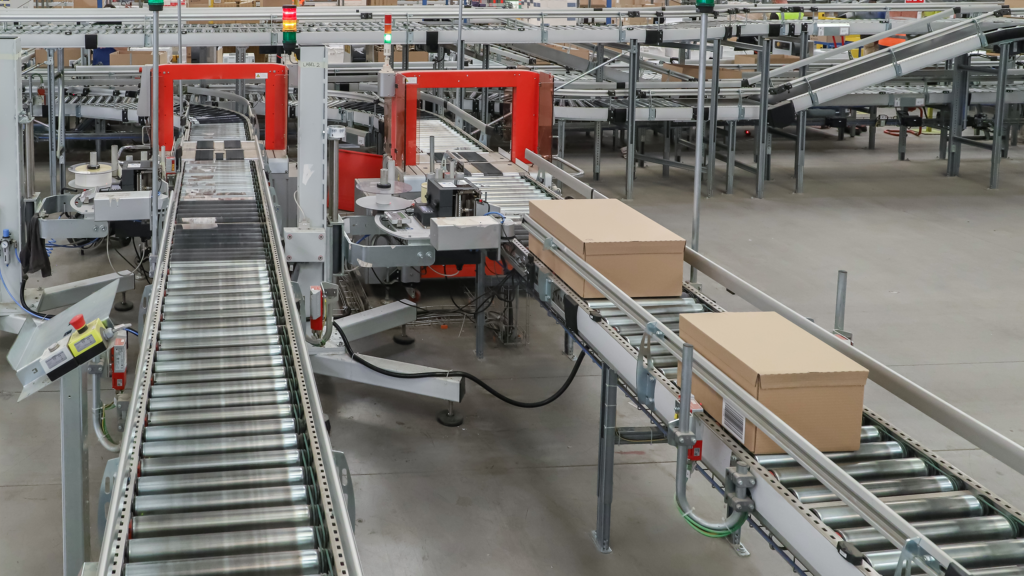
A defective product rarely travels from a single source to the consumer. In most cases, it passes through a network of manufacturers, component suppliers, distributors, wholesalers, and retailers before it reaches the person who is injured.
When that product fails and causes serious harm, the natural question becomes: Who is responsible?
At Biren Law Group, we regularly see cases in which several companies share the chain of distribution. Understanding how California law allocates responsibility among those companies is essential for anyone seeking full and fair compensation after a serious product-related injury.
The Chain of Distribution and Strict Product Liability
California follows the doctrine of strict products liability. Under this rule, a company that places a defective product into the stream of commerce can be held liable for the harm that product causes, even if the company exercised reasonable care. The focus is on the product’s condition, not on whether any particular company was negligent.
Liability extends to every commercial participant in the chain of distribution. This typically includes:
- The manufacturer of the finished product
- Component-part suppliers whose defective parts contributed to the overall failure
- Distributors and wholesalers who moved the product through the market
- Retailers who sold the product to the end user
Each of these entities benefits commercially from placing the product into the hands of consumers. California law therefore holds them accountable when the product proves defective and causes injury.
How Courts Allocate Responsibility Among Multiple Defendants
When more than one company is named in a product-liability action, responsibility is not automatically divided in equal shares. Instead, the law provides mechanisms that protect the injured person while allowing the commercial defendants to sort out their relative obligations among themselves.
- Joint and several liability: In most product cases, a defendant found liable for a product defect can be held responsible for the full amount of the plaintiff’s economic damages. This means the injured person does not have to collect a proportional share from each company. If one defendant has the resources to pay and another does not, the injured person can still recover the complete economic award from the solvent defendant.
- Contribution and indemnity: Once the injured person has been compensated, the defendants may pursue contribution or indemnity claims against one another. Contribution allows a defendant who paid more than its fair share to recover the excess from other liable parties. Indemnity claims, which are common between manufacturers and retailers or between finished-product makers and component suppliers, seek complete reimbursement when one party is found primarily responsible for the defect.
- Apportionment of fault: In some cases the jury is asked to assign percentages of fault among the various defendants (and, where applicable, the plaintiff). These percentages guide the contribution and indemnity process. They do not, however, reduce the injured person’s ability to recover the full amount of economic damages from any single liable defendant.
The practical effect is straightforward: the injured person is not required to untangle the commercial relationships or prove which company was “most” at fault. That burden falls on the companies that chose to place the product into the stream of commerce.
Why This Matters for Someone Seriously Injured
When a product causes catastrophic injury, the financial stakes are high. Medical costs, lost earnings, future care, and non-economic damages can quickly reach seven or eight figures. Limiting a claim to a single defendant, especially one with limited insurance or assets, can leave substantial losses unrecovered.
By naming every company in the chain that played a commercial role, an injured person increases the likelihood that adequate insurance coverage and corporate resources will be available to satisfy a judgment or settlement. It also prevents any single company from shifting blame downstream or upstream in an attempt to escape accountability.
Practical Steps After a Product-Related Injury
If you or a family member has been seriously hurt by a product you believe was defective:
- Preserve the product and all packaging, manuals, receipts, and warning labels.
- Document the circumstances of the injury with photographs, medical records, and witness information.
- Avoid discarding or altering the product; it may be critical evidence.
- Contact an experienced product-liability attorney promptly.
Statutes of limitation apply, and early investigation often determines whether key evidence can still be obtained from companies further up the distribution chain.
At Biren Law Group, we examine the entire commercial pathway a product traveled. We identify every entity that may share responsibility, evaluate available insurance and assets, and pursue the full measure of compensation the law allows. Our focus remains on the injured person, not on shielding manufacturers or retailers from the consequences of placing a dangerous product into the market.
Serious product injuries demand careful, thorough legal work. When multiple companies sit in the chain of distribution, that work includes ensuring none of them escapes the accountability California law places on those who profit from the product’s sale.
If you are facing the aftermath of such an injury, we are prepared to review the facts of your situation and discuss the options available to you.